
Decide what the bar is doing before the room turnaround begins.
You stop drinks service slowing the room turnaround by deciding in advance what the bar is doing during that transition. The drinks plan has to respect the venue team’s access needs, the photography schedule and the fact that guests do not all move at the same speed.
Room turns are one of the easiest moments for the wedding drinks plan to become messy. If the bar is in the wrong place, if glassware has not been consolidated, or if the team is trying to keep serving while the venue is resetting, the couple ends up paying for confusion rather than service.
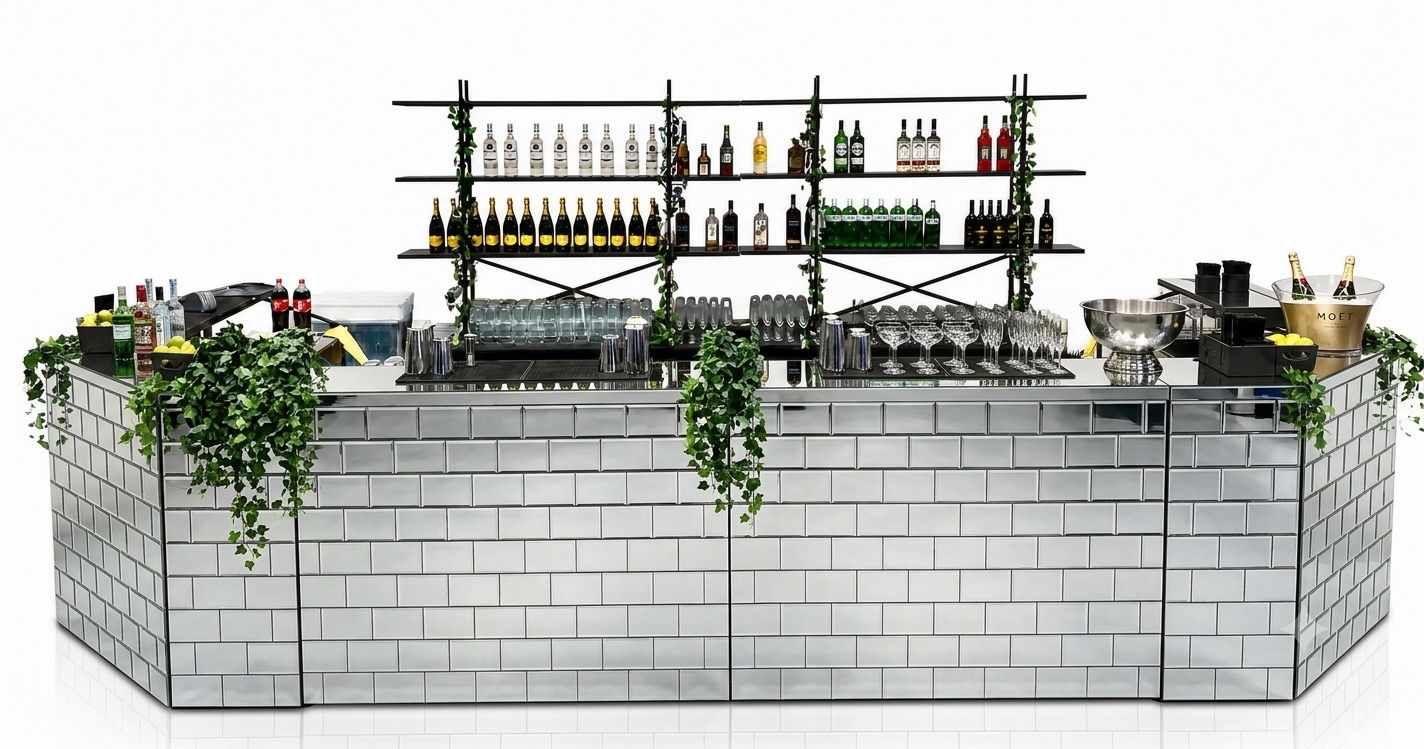



Confirm the two decisions that change the plan
- Does the reception and evening party use the same room, or do guests and suppliers move into a different space?
- Does a service point need to stay open during the turnaround, or is a defined pause the cleaner choice?
Cocktailhire would usually build a clear transition plan around this point. That means deciding what stays live, what moves, where glassware goes, and how guests are directed so the bar supports the venue turnaround instead of competing with it.
Put the transition into the written schedule
Name the venue manager, wedding planner and bar lead. Record the final order time before the move, any pause in service, the target readiness time for the evening bar and the route used for glass collection and restocking. If the physical bar must move, confirm access, floor protection and the point at which the venue releases the new position.
The most common mistake is assuming the venue and the drinks supplier will simply work it out on the day. When no one has defined how the transition should behave, guests end up milling around a half-live bar while the room change creates friction around them.
See the wedding drinks timeline and bar flow guide for the parent plan, then use the wedding cocktail package service when the event details are ready to price.