
Office team event
Amazon Manchester
Three-metre wooden bar frontage in a working office setting, with drinks served around stock supplied through the client’s own internal ordering system.
RTD activations
Ready-to-drink does not have to mean low-effort presentation.
RTD brands often have a different job from spirits brands. The liquid may already be finished, but the event still has to make the drink feel credible, cold, easy to understand and worth choosing.
The key is presentation and measurement: how the can is served, whether it becomes a credible brand moment, and what the brand learns from trial.
Commercial proof
A commercial buyer can read this quickly: has the bar team worked in rooms where the setup had to look settled, guests had to move cleanly and the organiser could not spend the event managing drinks? These case studies put names, photos and actual setups behind the claim.
Office team event
Three-metre wooden bar frontage in a working office setting, with drinks served around stock supplied through the client’s own internal ordering system.
Retail launch
Two-floor bar planning, glassware support and separate service points for store launches and brand-led retail rooms.
Recognised rooms
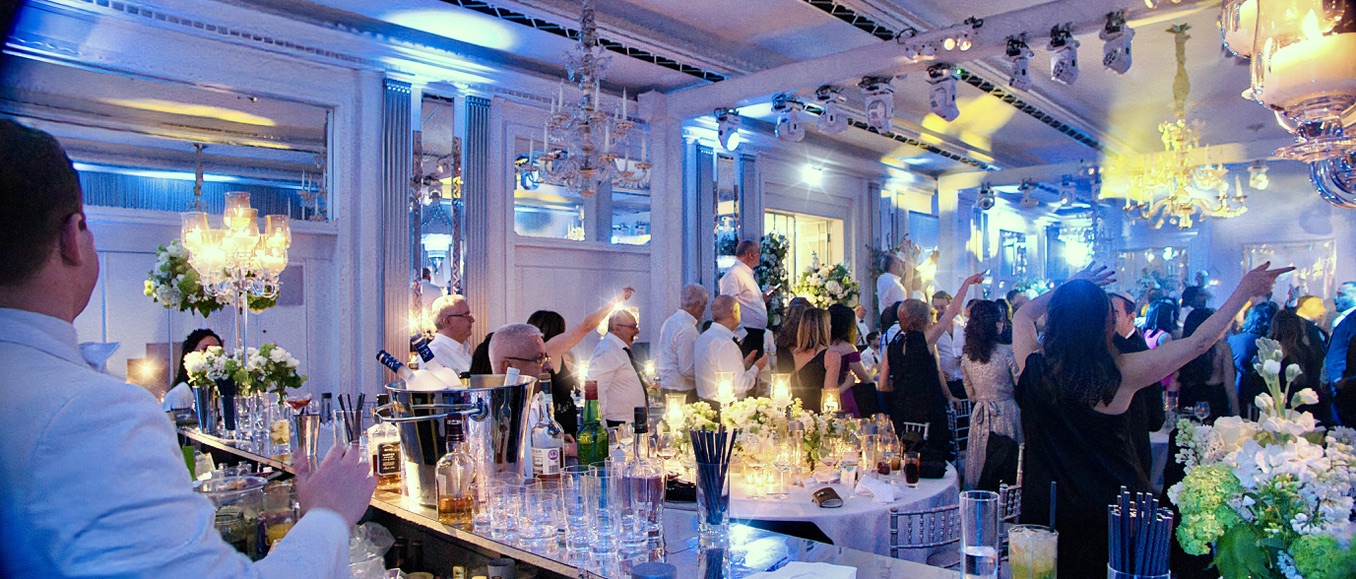
Hotel and recognised-room pages where the bar has to look settled, protect guest flow and sit comfortably inside the standard of the venue.
Short answer
RTD brand activations can use chilled can service, over-ice serves, garnish moments, branded bars, sampling flights, comparison serves, content capture and anonymous reporting to make canned drinks feel credible, adult and measurable.
Activation proof




Checklist
Commercial context
This is not a domestic bar-hire question. It is a commercial activation question. The buyer is trying to protect a brand outcome, reduce supplier risk and make the event easier to justify afterwards.
Use this to make better decisions before the bar is booked: what to specify, what to measure, what to film, what to check with the venue and what to send in the brief.
If this decision went wrong on the night, would it damage the serve, the room, the content, the report or stakeholder certainty? If yes, it belongs in the brief.
Breakdown
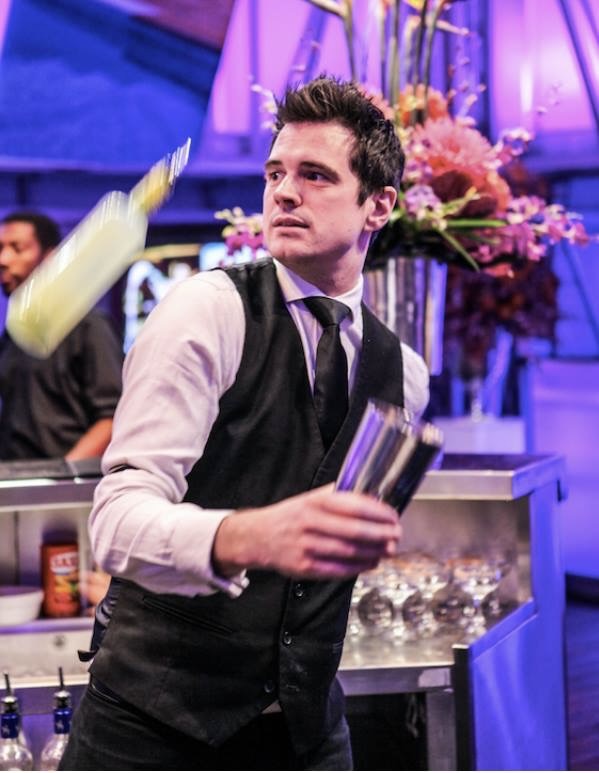
If the can is the product, make chilling, display, serve handoff and brand-facing presentation feel deliberate rather than convenient.
Some RTDs become more credible over ice with the right glass, garnish and bar setting. Others should stay can-led. Decide based on the product strategy.
RTD activations can compare flavours, no/low variants, serve formats, garnish cues or city-by-city demand without becoming complicated.
Reporting can show flavour split, peak demand, round behaviour, repeat pull and whether guests chose the can-led or glass-led format.
Next links
Sampling and trial
Sampling works best when the brand controls the serve, the audience, the pace and the evidence afterwards.
Measurement
A drinks activation should be measured by more than whether the room looked busy.
No/low activations
No/low drinks need proper adult presentation, not a soft-drink table in the corner.
Main hire page
For sampling events where the brand needs controlled trial, responsible service and a clearer read on what people actually chose.
FAQ
It depends on the brand objective. Can-led service protects pack recognition, while over-ice service can make the drink feel more considered.
Yes. Reporting can show flavour split, demand timing and which serve format performed best.
Yes. RTD and no/low often overlap well, especially where moderation-led behaviour is part of the strategy.
Yes. Cocktailhire provides the live drinks operation for alcohol, spirits, RTD, beer, wine, liqueur, aperitif and no/low brand activations, including staffed branded bars, serve-spec-trained bartenders, responsible service, content capture and anonymous serve-level reporting where required.
Yes. For brand activations it is normal for the brand to supply the liquid, serve specification, POS assets and campaign direction. Cocktailhire builds the bar operation around that brief.
Yes. Branded bar fronts can be arranged when print-ready artwork is supplied with enough notice. The working bar setup is then built around the brand finish, guest numbers and service window.
Yes. Where the reporting setup is used, Cocktailhire can provide anonymous serve-level data showing what was served, when demand peaked, which drinks performed best and how ordering patterns changed during the event.
No. Reporting is built around anonymous drink-service data. It helps the brand understand serve performance without identifying guests.
Yes. Multi-event support is especially useful for drinks brands because the same reporting format can compare cities, event types, serves and campaign periods.
Yes. Cocktailhire can work alongside PR agencies, experiential agencies, production teams and brand teams when the creative, liquid, POS and campaign objective already exist and the live drinks operation needs to be delivered properly.
Yes. The page is built for brand managers, customer activation managers, trade marketing teams, distributors and event producers who need serve control, supplier certainty, content proof and measurable output from the bar.
Selected brand events can include approval-aware content capture, including recap films, short-form edits, product shots, serve shots, bartender moments and branded bar footage.
A useful planning rule is one bartender per 50 guests, with bar length scaled around guest numbers and service pressure. Launches, sampling events and trade rooms may need a stronger setup depending on the serve.
Yes. No/low and moderation-led activations can be supported with the same branded bar, service workflow, content capture and anonymous serve-level reporting options.
For commercial alcohol activations, the venue licence position, TEN requirement where relevant, guestlist, age policy and house rules should be confirmed in the brief. Cocktailhire can plan service around those requirements, but does not replace the venue, organiser or brand legal approval process.
Send the date, city, venue, audience, stock position, serve spec, service window, content requirements, reporting questions and any venue conditions. We will shape the live bar operation around those facts.